🏥 Functional Urology

Overactive Bladder Treatment

Overactive bladder treatment delivers effective results for frequent urination, sudden urinary urgency, and nocturia — using lifestyle modifications, medication, Botox injections, and neuromodulation techniques.

85%+
Treatment Success
20+
Years of Experience
5,000+
Happy Patients
Experienced Specialist
Non-Surgical Options Available
Personalised Treatment Plans
Overactive Bladder Treatment — Functional Urology Istanbul
Functional Urology
Aşırı Aktif Mesane Tedavisi 2026 (1)

Sorunuza Doğrudan Yanıt

Overactive bladder (OAB) is a bladder dysfunction characterised by a sudden, uncontrollable urge to urinate. According to the International Continence Society (ICS), it affects approximately 16% of adults. Treatment options include behavioural therapies, anticholinergic medications, Botox injections, and sacral neuromodulation.

Ücretsiz Konsültasyon

Prof. Dr. Özkan Onuk ile görüşün

Gizlilik Garantisi
Ücretsiz Danışmanlık
Detail Information
Condition Overactive Bladder (OAB)
Specialist Prof. Dr. Özkan Onuk — Urologist
Clinic Urologica, Istanbul, Turkey
Treatment Approach Stepwise treatment protocol
First-Line Behavioural therapy + Bladder training
Second-Line Pharmacological treatment
Third-Line Neuromodulation / Intravesical therapy
Accreditation Turkish Urology Association standards
Pricing Confirmed during your consultation
Contact WhatsApp: +90 541 123 06 03

What Is Overactive Bladder?

Overactive bladder (OAB) is a syndrome that occurs when the bladder undergoes involuntary contractions during the filling phase.

As defined by the International Continence Society (ICS), it is characterised by a sudden, uncontrollable urge to urinate (urgency) in the absence of a urinary tract infection or other pathological cause.

This condition may be accompanied by urinary frequency and nocturia (waking at night to urinate); in some patients, urge urinary incontinence (leakage associated with a sudden urge) may also occur.

Under normal conditions, the bladder remains relaxed during filling and sends a signal to the brain via the nervous system once it reaches a certain capacity.

In overactive bladder, the detrusor muscle contracts involuntarily before the bladder is fully full, triggering a sudden urge to urinate. This may result from neurogenic factors, hypersensitivity of the bladder muscle, or myogenic changes.

Epidemiological data show that overactive bladder affects both men and women, with prevalence increasing with age. In men, it frequently occurs alongside prostate enlargement, while in women, hormonal changes and pelvic floor weakness play an important role.

Overactive bladder treatment requires a multidisciplinary approach and is managed using stepwise treatment protocols.

Overactive Bladder Symptoms

Overactive bladder syndrome is characterised by four core symptoms. Recognising these symptoms is critical for early diagnosis and treatment.

Urgency: A sudden, uncontrollable urge to urinate is the cardinal symptom of overactive bladder. The patient cannot defer urination and feels compelled to reach a toilet immediately. This can severely restrict daily activities and lead to social isolation.

Urinary Frequency: Defined as needing to urinate more than eight times during the day. Patients find themselves visiting the toilet at short intervals, which negatively affects work life, social activities, and sleep. A bladder diary can be used to objectively assess urinary frequency.

Nocturia: Waking from sleep during the night to urinate is referred to as nocturia. Waking once or more per night to urinate significantly affects quality of life and sleep patterns. Nocturia may also be associated with conditions other than OAB, including cardiac problems, sleep apnoea, or diabetes insipidus.

Urge Urinary Incontinence: Involuntary leakage of urine accompanying a sudden urge, before the patient is able to reach a toilet. It does not occur in all OAB patients; a distinction is made between “dry” OAB (without incontinence) and “wet” OAB (with incontinence). Urge urinary incontinence is the most socially and psychologically challenging symptom.

Overactive Bladder Causes and Risk Factors

Multiple factors contribute to the development of overactive bladder. While an underlying cause cannot always be identified, evaluating known risk factors is important for treatment planning.

Neurological Factors: Conditions such as multiple sclerosis, Parkinson’s disease, stroke, spinal cord injuries, and diabetic neuropathy can disrupt nerve signalling between the bladder and the brain, leading to OAB symptoms. In these cases, the term neurogenic overactive bladder is used, and the treatment approach may differ accordingly.

Age-Related Changes: With advancing age, reduced bladder capacity, structural changes in the detrusor muscle, and pelvic floor weakness all increase the risk of OAB. In women, the decline in oestrogen levels following menopause affects the urothelial and vaginal mucosa, contributing to symptom onset.

Prostate Enlargement: In men, benign prostatic hyperplasia (BPH) causes bladder outlet obstruction, leading to secondary bladder changes. Prolonged obstruction can result in detrusor hypertrophy and hyperreactivity. For this reason, OAB treatment in men should include a prostate assessment.

Other Risk Factors: Obesity, caffeine and alcohol consumption, chronic constipation, recurrent urinary tract infections, a history of pelvic surgery, and the use of certain medications may all contribute to the development of OAB. Diabetes mellitus can affect bladder function through both neurogenic and metabolic mechanisms.

Diagnosis

Overactive bladder is diagnosed primarily through symptom assessment and the exclusion of other pathological conditions. A thorough evaluation is essential for accurate diagnosis and treatment planning.

Medical History and Symptom Assessment: A detailed medical history is taken to assess the duration and severity of symptoms and their impact on daily life. Co-existing conditions, current medications, fluid intake habits, and caffeine consumption are also reviewed. Validated symptom questionnaires such as the OAB-V8 and ICIQ are used for objective assessment of symptom severity.

Bladder Diary: The bladder diary — in which the patient records voiding times, volumes, fluid intake, and episodes of incontinence over 3–7 days — is the gold standard diagnostic tool. These records establish the baseline status before treatment and are used to monitor treatment response.

Physical Examination: Abdominal examination, neurological assessment, prostate examination in men, and pelvic examination in women are performed. Pelvic organ prolapse, vaginal atrophy, and neurological deficits are evaluated.

Laboratory Tests: Urinalysis and urine culture are used to rule out urinary tract infection. Post-void residual (the amount of urine remaining in the bladder after voiding) measurement assesses bladder emptying function. Renal function tests and blood glucose checks are carried out where clinically indicated.

Urodynamic Assessment: Urodynamics is not routinely required for all patients, but where the diagnosis is uncertain, neurological disease is present, or the patient has not responded to treatment, it provides objective evidence of detrusor overactivity. During cystometry, involuntary detrusor contractions are recorded during bladder filling.

Overactive Bladder Treatment Options

Overactive bladder is managed using a stepwise treatment approach in accordance with the guidelines of the European Association of Urology (EAU) and the American Urological Association (AUA). Treatment is individualised based on the severity of the patient’s symptoms, co-existing conditions, and treatment preferences.

First-Line — Behavioural Therapy: Behavioural interventions are recommended for all patients as the initial treatment approach. Bladder training, fluid management, caffeine restriction, and pelvic floor muscle exercises form the foundation of this step. Behavioural therapies may be used alone or in combination with pharmacological treatment.

Second-Line — Pharmacological Treatment: Where behavioural therapy is insufficient, anticholinergic (antimuscarinic) agents or beta-3 adrenergic agonists are added. Drug selection is guided by the patient’s age, co-existing conditions, and potential side effects.

Third-Line — Advanced Treatments: In patients who do not respond to medication or cannot tolerate its side effects, neuromodulation therapies (sacral nerve stimulation, percutaneous tibial nerve stimulation) or intravesical botulinum toxin injection are considered.

Treatment selection takes into account the patient’s expectations, lifestyle, co-existing conditions, and treatment costs. Overactive bladder management is typically a long-term commitment, and treatment response should be assessed at regular intervals.

Behavioural Therapy and Lifestyle Modifications

Behavioural therapy forms the foundation of overactive bladder treatment and is recommended for all patients. This approach avoids the side effects associated with medication and works synergistically when combined with pharmacological treatment.

Bladder Training: Using a scheduled voiding programme, voiding intervals are progressively extended. Rather than rushing to the toilet immediately upon feeling urgency, the patient learns to wait briefly, gradually increasing bladder capacity. The goal is to extend voiding intervals to 2.5–3 hours. The programme is followed for 6–12 weeks and monitored with a bladder diary.

Pelvic Floor Muscle Exercises (Kegel Exercises): Strengthening the pelvic floor muscles improves bladder control. Patients are taught to identify the correct muscle group and follow an exercise programme of three sessions per day, with 10–15 repetitions each. Pelvic floor rehabilitation supported by biofeedback or electrostimulation further improves outcomes.

Fluid Management: Regulating daily fluid intake is important for symptom control. Both excessive and insufficient fluid intake can irritate the bladder. A daily intake of 1.5–2 litres is generally adequate. Restricting fluids in the evening can help reduce nocturia.

Dietary Modifications: Caffeine, alcohol, carbonated drinks, spicy foods, and artificial sweeteners are known bladder irritants that can worsen symptoms. Reducing or eliminating these is recommended. A high-fibre diet to prevent constipation also has a positive effect on bladder function.

Weight Management: Obesity is a recognised risk factor for overactive bladder. Weight loss can reduce pressure on the pelvic floor and help alleviate symptoms.

Pharmacological Treatment

When behavioural therapy is insufficient, pharmacological treatment is added. The two main drug classes used in overactive bladder treatment are anticholinergics (antimuscarinics) and beta-3 adrenergic agonists.

Anticholinergic (Antimuscarinic) Agents: These medications reduce involuntary bladder contractions by blocking muscarinic receptors in the bladder muscle. This drug class has been used in OAB treatment for many years and its efficacy is supported by clinical studies. Side effects may include dry mouth, constipation, blurred vision, and cognitive effects. Particular caution is required in elderly patients and those with cognitive impairment.

Beta-3 Adrenergic Agonists: These agents promote bladder relaxation by stimulating beta-3 receptors in the bladder muscle. They may be preferred in patients who wish to avoid anticholinergic side effects. Caution is required in patients with uncontrolled hypertension.

Factors Guiding Drug Selection: The patient’s age, co-existing conditions (glaucoma, cognitive impairment, cardiac conditions), current medications, and potential drug interactions are all determining factors in drug selection. In elderly patients, anticholinergic burden should be considered and cognitive function monitored.

Treatment Duration and Monitoring: The efficacy of pharmacological treatment is assessed at 4–8 weeks. If the response is inadequate or side effects cannot be tolerated, a medication change or dose adjustment is made. Symptom monitoring with a bladder diary is recommended throughout treatment.

Advanced Treatment Options

Third-line treatment options are considered for patients who have not responded to behavioural and pharmacological therapy. These are minimally invasive procedures that should be performed at experienced centres.

Intravesical Botulinum Toxin Injection: Botulinum toxin is injected into the bladder muscle under cystoscopic guidance. The toxin temporarily blocks the neuromuscular junction in the bladder muscle, reducing involuntary contractions. The effect lasts 6–12 months and can be repeated as it wears off. Due to the risk of increased post-void residual and temporary urinary retention, patients must be counselled on and capable of performing clean intermittent catheterisation.

Sacral Neuromodulation (SNM): Electrical stimulation of the sacral nerve roots is used to regulate bladder function. A temporary test stimulation is performed in the first stage; patients who respond positively go on to receive a permanent neurostimulator implant. Long-term efficacy is supported by clinical studies, though battery replacement or revision surgery may be required over time.

Percutaneous Tibial Nerve Stimulation (PTNS): Electrical stimulation of the tibial nerve at the ankle level modulates sacral nerve reflexes. Treatment is delivered in an outpatient setting — one session per week for a total of 12 sessions. No implant is required, though maintenance therapy may be needed.

Surgical Options: In carefully selected patients with severe quality-of-life impairment who have not responded to all conservative treatments, augmentation cystoplasty (enlarging bladder capacity) or urinary diversion may be considered as a last resort. These procedures carry significant morbidity and require careful patient selection.

What to Expect

Setting realistic expectations improves treatment adherence and patient satisfaction. The goal of OAB treatment is not the complete elimination of symptoms, but rather bringing them to an acceptable level of control and improving quality of life.

Outcomes of Behavioural Therapy: Published data show that behavioural therapy alone can produce meaningful reductions in urinary frequency and incontinence episodes. Treatment efficacy depends on patient motivation and adherence. Outcomes are generally assessed after a 6–12 week programme.

Outcomes of Pharmacological Treatment: Medication is expected to reduce urgency severity, urinary frequency, and incontinence episodes. Complete symptom control may not be achievable in every patient, and side effects can affect adherence. Different medication options may be tried to identify the most suitable treatment for the individual.

Outcomes of Advanced Treatments: Botulinum toxin injection achieves symptom improvement in a significant proportion of patients, though repeat injections are required over time. Sacral neuromodulation can sustain long-term treatment response, and patients are generally able to return to their daily activities.

Factors Affecting Treatment Response: Symptom duration, symptom severity, co-existing conditions, patient age, and treatment adherence are all important factors influencing response. Neurogenic overactive bladder tends to follow a more treatment-resistant course.

Quality of Life and Impact on Daily Life

Overactive bladder symptoms can significantly affect quality of life across physical, psychological, and social dimensions. Understanding these impacts strengthens treatment motivation for both patient and clinician.

Physical Impact: Frequent urination and nocturia disrupt sleep, leading to chronic fatigue and reduced daytime performance. In elderly patients, the risk of falls during nighttime toilet trips is increased. Where incontinence is present, skin irritation and recurrent infections may occur.

Psychological Impact: Anxiety, depression, and reduced self-esteem are common in patients with overactive bladder. The unpredictability of symptoms and the sense of loss of control cause significant stress. Shame and social withdrawal are particularly common when urge incontinence is present.

Social and Occupational Impact: Patients tend to constantly check the location of nearby toilets, avoid long journeys, and restrict social activities. Work productivity may decline and career decisions can be affected. Negative effects on intimate relationships and sexual wellbeing have also been reported.

Coping Strategies: Practical measures such as planning toilet access, using protective products, and scheduling fluid intake can make daily life more manageable. Psychological support and peer support groups can help ease the emotional burden. When symptoms are brought under control through treatment, meaningful improvements in quality of life are achieved.

About Prof. Dr. Özkan Onuk

Prof. Dr. Özkan Onuk is a practising academic physician specialising in urology and andrology.

Prof. Dr. Özkan Onuk serves as a faculty member in the Department of Urology at Biruni University Faculty of Medicine.

Academic Position: Faculty Member, Department of Urology, Biruni University Faculty of Medicine

Areas of Expertise:

  • Overactive bladder and urinary incontinence treatment
  • Urodynamics and pelvic floor disorders
  • Neuromodulation therapies
  • Male and female urology
  • Minimally invasive urological procedures

Memberships:

  • European Association of Urology (EAU)
  • Turkish Urology Association
  • International Society for Sexual Medicine (ISSM)
  • International Continence Society (ICS)

Clinical Practice: Prof. Dr. Onuk provides consultations and treatment for overactive bladder, urinary incontinence, and other functional urology conditions at Urologica Clinic in Istanbul.

Book a Consultation

To learn more about overactive bladder treatment and arrange a personalised assessment, you can book a consultation with Prof. Dr. Özkan Onuk.

During your consultation, your medical history will be reviewed, a physical examination will be performed, and treatment options will be discussed. You will receive detailed information about your diagnosis, the most suitable treatment approach for your individual circumstances, and what to expect throughout the process. Your personal questions will be answered and your expectations carefully considered.

Contact:

📱 WhatsApp: +90 541 123 06 03   📧 Email: Urologica.tr@gmail.com   📍 Location: Urologica, Istanbul, Turkey

Medical Disclaimer

The information on this page is provided for informational purposes only and does not constitute professional medical advice. Always consult a qualified physician regarding any medical condition. Individual results may vary. Prof. Dr. Özkan Onuk and Urologica accept no liability for decisions made based on the information provided here. This content has been prepared in accordance with the regulations of the Turkish Ministry of Health.

Medically reviewed by: Prof. Dr. Özkan Onuk, Faculty Member, Department of Urology Last updated: February 2026 | Next review: May 2026
Why Urologica?

Why Choose Us for Overactive Bladder Treatment?

Regain your quality of life with a specialist functional urology team and personalised treatment planning.

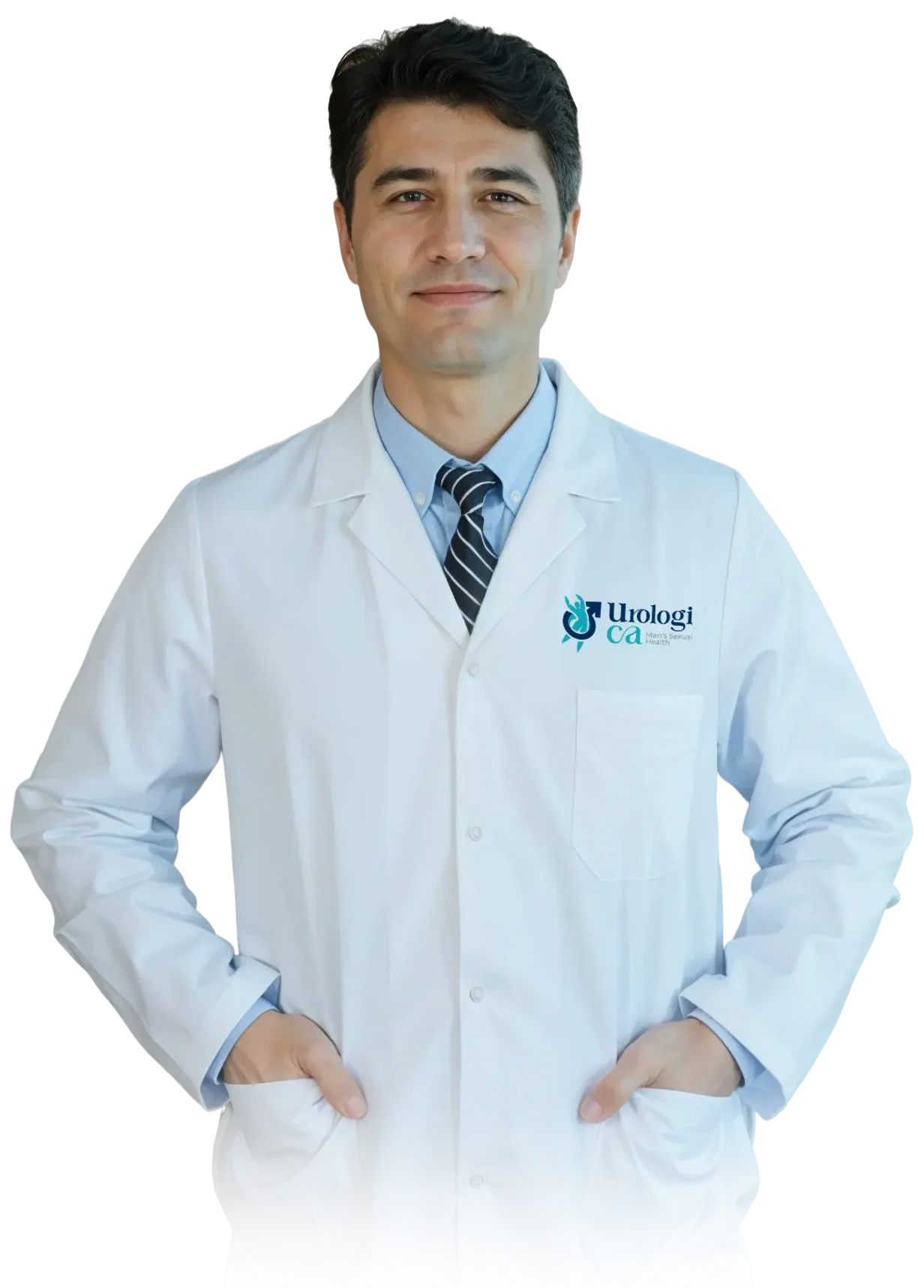
Prof. Dr. Özkan Onuk — Urologist Istanbul

Prof. Dr. Özkan Onuk

Urologist | Clinical Director

Rigicon Global Reference Center

Comprehensive Diagnostic Assessment

Detailed functional analysis using urodynamic testing and bladder diary, with an individualised diagnosis for each patient.

Stepwise Treatment Approach

A progressive protocol from behavioural therapy through pharmacological treatment to advanced options.

Non-Surgical Treatment Options

Effective solutions without surgery, including bladder Botox injection and neuromodulation.

Quality-of-Life Focused Care

A personalised treatment plan aimed at restoring daily comfort and returning to social activities.

20+
Years of Experience
5,000+
Patients Treated
85%+
Treatment Success Rate
Non-Surgical Options Available
Frequently Asked Questions

Overactive Bladder Treatment — Frequently Asked Questions

The most common questions about overactive bladder treatment, answered.

Overactive bladder (OAB) is a bladder dysfunction characterised by a sudden, uncontrollable urge to urinate. It may occur alongside urinary frequency, nocturia (waking at night to urinate), and sometimes urinary incontinence.
OAB is not a life-threatening condition, but it can significantly affect quality of life. A urological assessment is important to rule out any serious underlying pathology.
Yes, overactive bladder can be effectively managed with a range of treatment options. Symptoms can be reduced through behavioural therapies, medication, and advanced treatment options.
Anticholinergic agents and beta-3 adrenergic agonists are the main medications used in OAB treatment. Drug selection is tailored to each patient's individual characteristics and medical history.
Overactive bladder is generally a chronic condition and may require long-term management. Treatment duration is determined by symptom control and the patient's response to therapy.
Yes, pelvic floor muscle exercises (Kegel exercises) are effective in improving bladder control. A regular exercise programme can contribute to meaningful symptom improvement.
Bladder training is a programme of scheduled voiding in which voiding intervals are progressively extended. This technique increases bladder capacity and helps achieve better symptom control.
Botulinum toxin is injected into the bladder muscle under cystoscopic guidance. The procedure is performed under local anaesthesia and can be carried out as a day-case. The effect lasts 6–12 months.
OAB can occur at any age, but prevalence increases with advancing age. In women, it becomes more common after menopause; in men, it frequently occurs alongside prostate enlargement.
If you are experiencing sudden urinary urgency, frequent urination, nocturia, or urinary incontinence, it is advisable to consult a urologist. Early diagnosis and treatment improve quality of life.

Still have questions? Ask us anything during a free consultation.

Ask Us on WhatsApp
Start Your Journey

Book Your Free Consultation Today

Speak confidentially with Prof. Dr. Özkan Onuk, get your questions answered, and together we'll build the treatment plan that's right for you.

JCI Accredited
Hospitals
Rigicon Certified
Surgeon
Lifetime
Follow-Up
Complete
Confidentiality